
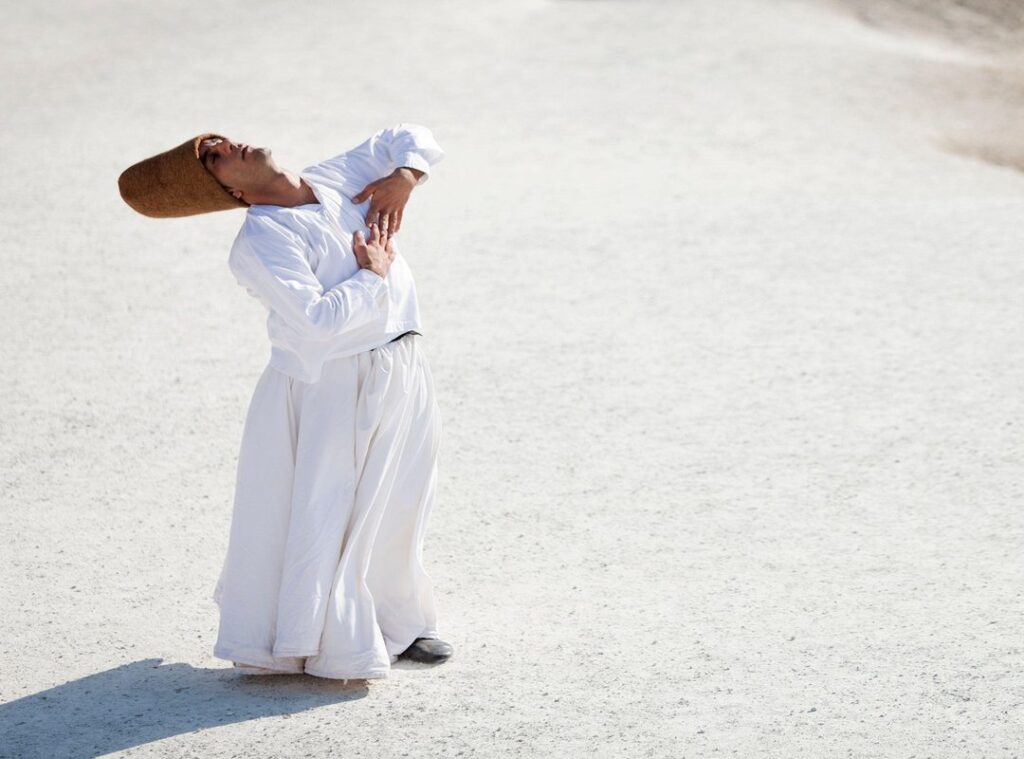
I’ve always found the doa tahajud to be a deeply meaningful prayer. It’s a way to connect with something greater, especially during the quiet hours of the night. But let’s be real, not everyone is familiar with it.
The scripts, Rumi and Jawi, can add to the confusion. You might be wondering, how do I even start? That’s exactly why I’m here.
To help you understand and practice this important prayer. Trust me, I know what I’m talking about. Let’s dive in.
What is Doa Tahajud?
Doa Tahajud is a special prayer recited during the Tahajjud prayer, which is an optional night prayer in Islam. It’s a way to seek closeness to Allah and ask for His blessings and guidance.
Historical Context
The practice of Tahajjud has its roots in the life of Prophet Muhammad (peace be upon him). He used to wake up in the middle of the night to pray and reflect. This practice became a significant part of Islamic tradition, emphasizing the importance of personal connection with Allah.
Doa Tahajud is not just a set of words; it’s a spiritual exercise. Reciting it can help you feel more connected and focused. You might find different versions of the doa, such as doa tahajud rumi dan jawi, but the essence remains the same: seeking forgiveness, guidance, and peace.
To make the most of your Doa Tahajud, here’s a simple step:
– Find a quiet, comfortable place where you won’t be disturbed.
– Recite the doa with focus and intention, feeling each word.
By incorporating Doa Tahajud into your routine, you can enhance your spiritual well-being and find a deeper sense of peace.
Understanding Rumi Script
Rumi script, also known as Jawi, is a writing system that has deep historical and cultural roots. It’s used primarily in parts of Southeast Asia, especially in Malaysia and Indonesia. The script itself is a form of Arabic calligraphy, adapted to write the Malay language.
Characteristics
The key features of Rumi script are its flowing, cursive style and the way it connects letters. This makes it both beautiful and functional. Unlike some other scripts, Rumi has a unique elegance that stands out.
It’s not just about writing; it’s an art form.
One of the unique aspects of Rumi is its use in religious and cultural texts. For example, doa tahajud rumi dan jawi is a prayer written in this script, showcasing its importance in spiritual practices. This adds a layer of tradition and respect to the text.
Understanding Rumi can open up a whole new world of literature and history. You get to read and appreciate ancient texts and inscriptions in their original form. Plus, it’s a way to connect with the rich cultural heritage of the region.
Understanding Jawi Script
Jawi script is a unique writing system used in Southeast Asia, especially in Malaysia and Indonesia. It’s based on the Arabic alphabet but adapted for writing local languages like Malay.
Historical and Cultural Significance
Jawi has deep roots in the region’s history. For centuries, it was the primary script for official documents, literature, and religious texts. Even today, it holds cultural and religious importance, often seen in mosques and traditional settings.
The script played a crucial role in preserving and transmitting knowledge. Many historical texts, including doa tahajud rumi dan jawi, were written in Jawi, making it a vital part of the region’s literary heritage.
Characteristics
Jawi script has some key features that set it apart. It uses the Arabic alphabet with additional characters to represent sounds specific to the Malay language. This makes it both familiar and distinct.
One of the unique aspects of Jawi is its flowing, cursive style. The letters are connected, creating a smooth, continuous line. This not only adds to its aesthetic appeal but also makes it a bit challenging for beginners to learn.
Understanding Jawi can open up a whole new world of historical and cultural insights. It’s a window into the past, connecting us to the rich traditions and stories of the region.
How to Read Doa Tahajud in Rumi Script
Reading the Doa Tahajud in Rumi script can seem daunting, but with a step-by-step guide, you’ll get the hang of it. Let’s break it down.
First, familiarize yourself with the Rumi script. It’s a unique way of writing Arabic using Latin letters. This makes it easier for those who are more comfortable with the Latin alphabet.
Underline the key phrases. This will help you focus on the important parts and make your reading smoother.
Start by saying “Bismillahirrahmanirrahim” (In the name of Allah, the Most Gracious, the Most Merciful). This sets the intention for your prayer.
Next, read the first line of the Doa Tahajud. In Rumi script, it looks like this: “Allahumma inni astakhiruka bi ilmika.”
Take it one word at a time. Break down each word and sound it out. For example, “Allahumma” is pronounced as “Al-lah-um-ma.”
Continue with the next lines, following the same method. Each line should be read slowly and with clear pronunciation.
Here’s an example of the second line: “Wa astaqdiruka bi qudratika.”
Remember, practice makes perfect. Repeat the lines until you feel comfortable with the pronunciation and flow.
Use visual aids. If you have access to a written version of doa tahajud rumi dan jawi, compare the two scripts. This can help you understand the Rumi script better.
Finally, say “Ameen” at the end of your prayer. This seals your supplication and shows your trust in Allah’s wisdom and mercy.
By following these steps, you’ll be able to read the Doa Tahajud in Rumi script with confidence.
How to Read Doa Tahajud in Jawi Script

Reading the Doa Tahajud in Jawi script can be a rewarding experience, but it might seem daunting at first. Here’s a step-by-step guide to help you get started. doa tahajud rumi
- Understand the Basics of Jawi Script
-
Familiarize yourself with the basic letters and sounds of Jawi. This will make it easier to read and pronounce the doa tahajud rumi dan jawi correctly.
-
Get a Reference Book or Guide
-
Find a reliable reference book or guide that provides the Doa Tahajud in both Rumi (Latin) and Jawi scripts. This will help you see the direct translation and pronunciation.
-
Practice Reading Simple Words
-
Start by reading simple words and phrases in Jawi. This will build your confidence and familiarity with the script.
-
Focus on Vowels and Consonants
-
Pay close attention to how vowels and consonants are represented in Jawi. This is crucial for accurate pronunciation.
-
Read the Doa Tahajud Line by Line
-
Begin reading the Doa Tahajud line by line. Take your time to understand each word and its meaning.
-
Use Visual Aids
-
Look for visual aids like charts or diagrams that show the Jawi script alongside the Rumi script. This can be very helpful for visual learners.
-
Listen to Recitations
-
Listen to audio recitations of the Doa Tahajud in Jawi. Hearing the correct pronunciation can greatly enhance your understanding and ability to read.
-
Practice Regularly
- Consistent practice is key. Set aside a few minutes each day to read and recite the Doa Tahajud in Jawi.
By following these steps, you’ll gradually become more comfortable and proficient in reading the Doa Tahajud in Jawi script. It’s a skill that not only enhances your spiritual practice but also deepens your connection to the text.
FAQs About Doa Tahajud and Its Scripts
-
What is Doa Tahajud?
It’s a special prayer recited during the Tahajjud prayer, which is performed in the early hours of the morning. -
Why is Doa Tahajud important?
It helps believers seek forgiveness, guidance, and blessings from Allah. It’s a way to connect spiritually and find peace. -
Can anyone perform Doa Tahajud?
Yes, anyone can. It’s not limited to scholars or religious leaders. -
Is there a specific time for Doa Tahajud?
Ideally, it’s performed after midnight and before the Fajr prayer. But if you miss that, any time before Fajr is still good. -
Where can I find the script for Doa Tahajud?
You can find the doa tahajud rumi dan jawi in Islamic books and online resources. Just make sure they’re from reliable sources. -
Do I need to memorize the Doa Tahajud?
No, you don’t have to. Reading from a book or a digital device is perfectly fine.The key is sincerity and focus.
-
Are there different versions of Doa Tahajud?
Yes, there are. Different regions and scholars might have slight variations, but the core message remains the same. -
Can I say Doa Tahajud in my own words?
Absolutely. While traditional scripts are beautiful, saying your own heartfelt prayers is also valid and encouraged. -
What if I make a mistake while reciting?
Mistakes happen. Just continue with your prayer.The intention and effort are what matter most.
-
How often should I perform Doa Tahajud?
There’s no set frequency. Some people do it daily, others weekly.Do what feels right for you and your schedule.
Mastering the Doa Tahajud in Rumi and Jawi Scripts
The article delves into the significance of doa tahajud rumi dan jawi. It highlights the importance of understanding both scripts for a deeper spiritual connection. Readers are provided with practical tips on how to read and practice the prayer effectively.
Understanding and practicing the Doa Tahajud in both Rumi and Jawi scripts enhances one’s spiritual experience. It fosters a greater appreciation for the rich cultural and religious heritage.
 There is a specific skill involved in explaining something clearly — one that is completely separate from actually knowing the subject. Kimberly Kayakenzor has both. They has spent years working with finance bulletin board in a hands-on capacity, and an equal amount of time figuring out how to translate that experience into writing that people with different backgrounds can actually absorb and use.
Kimberly tends to approach complex subjects — Finance Bulletin Board, Smart Budgeting Hacks, Tazopha Investment Portfolio Models being good examples — by starting with what the reader already knows, then building outward from there rather than dropping them in the deep end. It sounds like a small thing. In practice it makes a significant difference in whether someone finishes the article or abandons it halfway through. They is also good at knowing when to stop — a surprisingly underrated skill. Some writers bury useful information under so many caveats and qualifications that the point disappears. Kimberly knows where the point is and gets there without too many detours.
The practical effect of all this is that people who read Kimberly's work tend to come away actually capable of doing something with it. Not just vaguely informed — actually capable. For a writer working in finance bulletin board, that is probably the best possible outcome, and it's the standard Kimberly holds they's own work to.
There is a specific skill involved in explaining something clearly — one that is completely separate from actually knowing the subject. Kimberly Kayakenzor has both. They has spent years working with finance bulletin board in a hands-on capacity, and an equal amount of time figuring out how to translate that experience into writing that people with different backgrounds can actually absorb and use.
Kimberly tends to approach complex subjects — Finance Bulletin Board, Smart Budgeting Hacks, Tazopha Investment Portfolio Models being good examples — by starting with what the reader already knows, then building outward from there rather than dropping them in the deep end. It sounds like a small thing. In practice it makes a significant difference in whether someone finishes the article or abandons it halfway through. They is also good at knowing when to stop — a surprisingly underrated skill. Some writers bury useful information under so many caveats and qualifications that the point disappears. Kimberly knows where the point is and gets there without too many detours.
The practical effect of all this is that people who read Kimberly's work tend to come away actually capable of doing something with it. Not just vaguely informed — actually capable. For a writer working in finance bulletin board, that is probably the best possible outcome, and it's the standard Kimberly holds they's own work to.