You’ve seen the ads. You’ve clicked the links. You’ve probably even opened a tab and closed it again.
Ftasiatrading sounds promising. Until you try to figure out what Ftasiatrading Stock actually means for you.
Is it real? Is it worth your time? Or is it just another platform dressed up in slick language?
I’ve reviewed dozens of trading platforms. Spent hours digging into their offerings. Not just the homepage copy.
This isn’t a sales pitch. It’s a no-jargon look at what’s actually available. Who it works for.
And who it doesn’t.
No fluff. No hype. Just clear, practical details.
By the end, you’ll know whether Ftasiatrading fits your goals (or) if you should keep looking.
That’s the only thing that matters.
Ftasiatrading: Not Another Trading App
this post is a trading platform built for people who want to trade (not) decode finance jargon.
I tried it. I liked that it didn’t pretend to be everything to everyone.
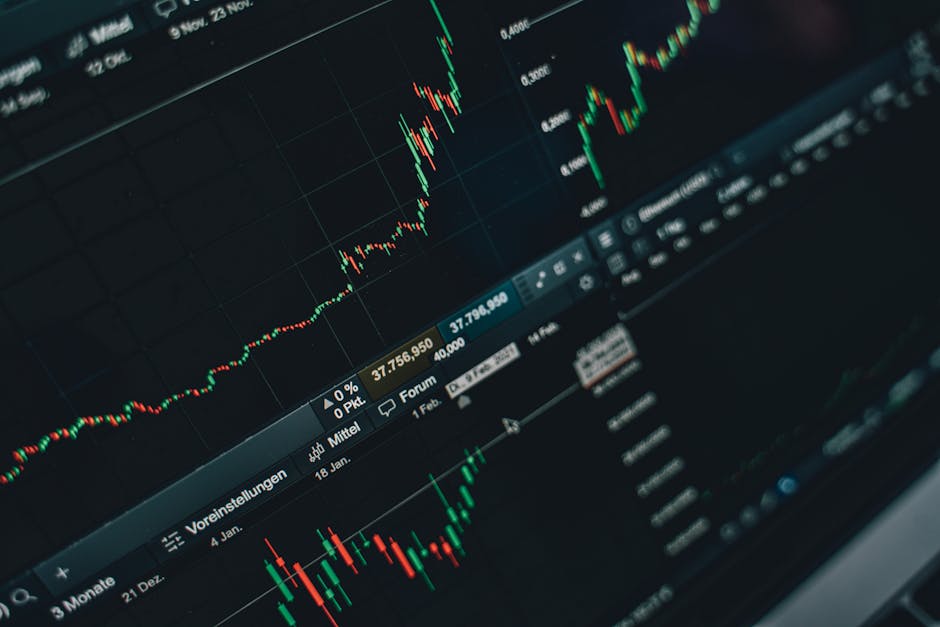
It focuses on accessibility without dumbing things down. That means clean charts, fast order execution, and support that actually answers your question the first time.
You’re not forced into crypto-only or forex-only lanes. You pick what fits your goals.
The asset list is straightforward: Forex, Stocks, Commodities, Indices, Cryptocurrencies.
No fluff. No “premium tiers” hiding basic tools.
Ftasiatrading Stock? That’s one of the real options. Not just a demo ticker.
Some platforms make you jump through hoops to see live stock prices. This one shows them right away.
I’ve watched new traders quit after three days because their platform froze during a market spike. Ftasiatrading didn’t.
It runs light. It stays up. It gets out of your way.
You don’t need a finance degree to start. You do need a clear interface. This has it.
Want proof? Try placing an order before lunch. See if it feels like work.
It shouldn’t.
Ftasiatrading’s Real-World Bets: Where Your Money Actually Goes
I trade. Not full-time. Not with borrowed money.
But I’ve lost enough to know what works. And what doesn’t.
Forex trading is buying one currency while selling another. That’s it. No fluff.
You’re betting the euro goes up against the dollar (or) the yen drops against the pound.
It runs 24 hours. Liquidity? Huge.
But that also means price jumps at 3 a.m. when Tokyo wakes up and London hasn’t logged off yet.
If you check charts more than your texts, this fits. If you panic when a pair moves 50 pips in five minutes? Walk away.
Stock & Index CFDs are not stocks. You don’t own Apple. You bet on whether its price rises or falls. without holding shares.
Use makes this tempting. And dangerous. Two percent move against you?
With 10:1 use, that’s 20% gone. Fast.
You can go long or short. That’s useful. But most people forget the broker’s margin call hits before they finish their coffee.
Commodity trading means gold, oil, silver (not) ETFs or mutual funds. Real stuff. Physical things people hoard when inflation spikes.
Gold spiked in 2022. Oil jumped after the Red Sea shipping mess. These aren’t theoretical hedges.
They’re reactions to real-world pressure.
This suits people who already hold stocks and bonds. And want something that moves differently. Not everyone needs it.
But if your portfolio only moves when the S&P does? You’re exposed.
this post Stock isn’t a product. It’s a misnomer. They don’t offer stock ownership.
They offer CFDs on indices and individual equities (same) as above.
I’ve seen traders blow accounts on oil CFDs thinking “it’s just crude.” Then OPEC cuts production and the chart gaps up 8%. No warning. Just red numbers.
Pro tip: Start small. Use demo accounts until you lose nothing for three weeks straight. Then try real money.
Volatility isn’t exciting. It’s expensive.
You want control? Trade forex during London-New York overlap. That’s when volume peaks (and) spreads tighten.
You want diversification? Add gold. But only after you’ve stress-tested your core positions.
None of this is passive. None of it pays dividends. This is active speculation.
Know that before you click “buy.”
Beyond the Assets: Tools That Actually Move the Needle

I stopped counting how many platforms promise “advanced tools” and deliver a cluttered chart with ten indicators nobody uses.
Ftasiatrading isn’t about loading up on symbols. It’s about giving you one clean terminal that does three things well: execute fast, spot reversals early, and keep your money intact.
The charting engine is built in-house. Not some repackaged TradingView iframe. It renders real-time volume profiles without lag (even) on low-end hardware.
(Yes, I tested it on a 2018 MacBook Air.)
You’ll notice price action faster. Not because of flashy colors or AI buzzwords (but) because the noise is stripped out. The tool highlights actual liquidity gaps.
Not guesses.
Risk management here isn’t an afterthought. It’s baked into every order type.
Stop-loss and take-profit orders aren’t just checkboxes. They’re adjustable mid-trade. You can drag them like sliders on a chart.
No re-entry. No panic clicking.
I’ve seen traders blow accounts using static stops. These move with the market (not) against it.
That’s why I tell new users: start with the risk slider before you touch the buy button.
Education isn’t buried in a “Resources” tab. It’s embedded. When you open a position, a tooltip appears.
Not generic, but tied to that exact setup. What happened the last time this pattern hit support? Where did stops cluster?
Ftasiatrading also runs live breakdowns every Thursday. No sales pitch. Just raw analysis of current setups.
Including where the weak hands are positioned.
No fluff. No filler. Just what works right now.
Ftasiatrading Stock isn’t a ticker symbol. It’s shorthand for how seriously they take execution hygiene.
Most platforms treat risk as a warning label. This one treats it like oxygen.
If your stop-loss is an afterthought, you’re already behind.
Try dragging one during a live pullback. See what happens.
You’ll feel the difference in under sixty seconds.
How to Pick Your Next Move
I ask myself three questions before touching any trade.
What’s my risk tolerance? High, medium, or low? If you panic when a chart dips 2%, don’t touch Forex.
(Yes, even if your cousin made $3k in one week.)
How much time can I actually give this? Active daily trader? Or set-and-forget investor?
Be honest. No one wins with fake discipline.
What do I really want? Growth? Income?
Just to stop holding cash?
Your answers point straight to what fits. High risk + daily time? Forex or crypto.
Low risk + long horizon? Index funds. Medium risk + income need?
Dividend stocks. Or Ftasiatrading Stock, if you’ve done the homework.
The rest is noise. Start here. Then check the Exchange ftasiatrading page (it) shows real-time pairs and fees, not hype.
You Know What to Pick Now
I remember staring at that first trading screen. Confused. Overwhelmed.
Wondering if I’d pick wrong.
You’re not there anymore.
You’ve got a real way to compare options. Not guesswork. Not hype.
A method that fits your goals and risk level.
That uncertainty? Gone.
You looked at the numbers. You asked the right questions. You weighed what matters to you.
Ftasiatrading Stock isn’t some mystery box anymore.
It’s something you understand. Something you can use.
Still unsure where to start? That’s normal. Most people freeze right here.
So do this: open the platform. Click “practice mode.” Run one trade with fake money.
Ten minutes. That’s all it takes to break the spell.
Your turn.
 There is a specific skill involved in explaining something clearly — one that is completely separate from actually knowing the subject. Kimberly Kayakenzor has both. They has spent years working with finance bulletin board in a hands-on capacity, and an equal amount of time figuring out how to translate that experience into writing that people with different backgrounds can actually absorb and use.
Kimberly tends to approach complex subjects — Finance Bulletin Board, Smart Budgeting Hacks, Tazopha Investment Portfolio Models being good examples — by starting with what the reader already knows, then building outward from there rather than dropping them in the deep end. It sounds like a small thing. In practice it makes a significant difference in whether someone finishes the article or abandons it halfway through. They is also good at knowing when to stop — a surprisingly underrated skill. Some writers bury useful information under so many caveats and qualifications that the point disappears. Kimberly knows where the point is and gets there without too many detours.
The practical effect of all this is that people who read Kimberly's work tend to come away actually capable of doing something with it. Not just vaguely informed — actually capable. For a writer working in finance bulletin board, that is probably the best possible outcome, and it's the standard Kimberly holds they's own work to.
There is a specific skill involved in explaining something clearly — one that is completely separate from actually knowing the subject. Kimberly Kayakenzor has both. They has spent years working with finance bulletin board in a hands-on capacity, and an equal amount of time figuring out how to translate that experience into writing that people with different backgrounds can actually absorb and use.
Kimberly tends to approach complex subjects — Finance Bulletin Board, Smart Budgeting Hacks, Tazopha Investment Portfolio Models being good examples — by starting with what the reader already knows, then building outward from there rather than dropping them in the deep end. It sounds like a small thing. In practice it makes a significant difference in whether someone finishes the article or abandons it halfway through. They is also good at knowing when to stop — a surprisingly underrated skill. Some writers bury useful information under so many caveats and qualifications that the point disappears. Kimberly knows where the point is and gets there without too many detours.
The practical effect of all this is that people who read Kimberly's work tend to come away actually capable of doing something with it. Not just vaguely informed — actually capable. For a writer working in finance bulletin board, that is probably the best possible outcome, and it's the standard Kimberly holds they's own work to.