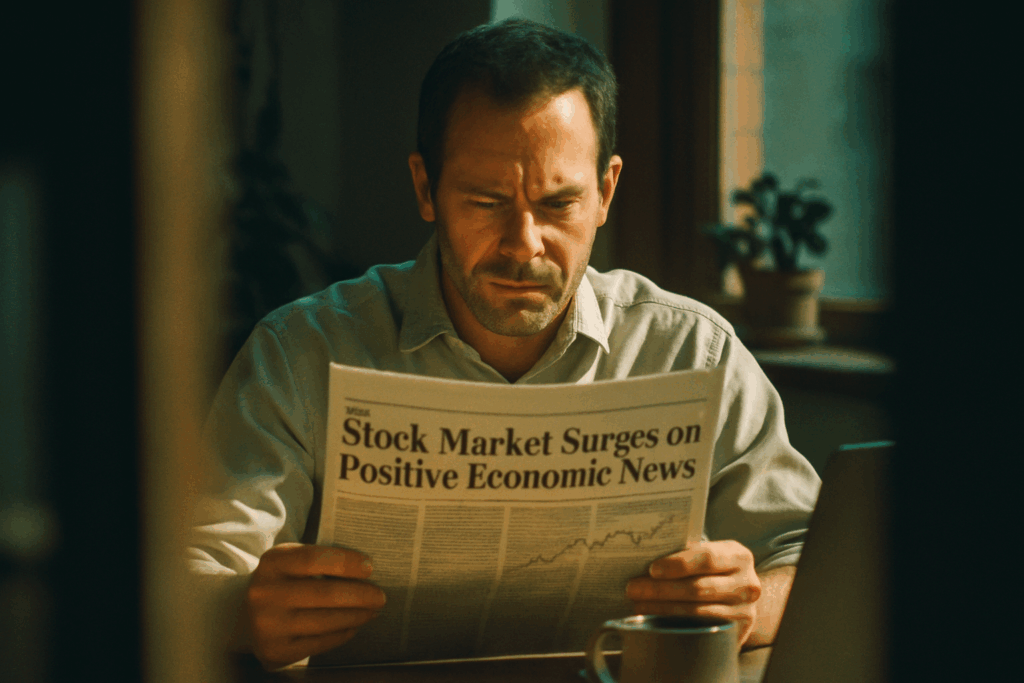

You’re staring at the screen again.
Watching charts jump. Reading headlines that contradict each other. Wondering if you should buy, sell, or just close the app and walk away.
I’ve been there. More times than I care to count.
Trading shouldn’t feel like decoding a ransom note.
It’s not about more data. It’s about better clarity.
That’s why I built Ftasiatrading Technology. Not as another flashy indicator, but as a system tested across real market cycles.
I’ve spent years analyzing what actually works when the market turns ugly.
No theory. No hype. Just patterns that hold up.
This article shows you how it cuts through the noise (step) by step.
You’ll see exactly how it works. Why it works. And why it’s different from everything else you’ve tried.
No guessing. No stress. Just a clearer way to trade.
What Ftasiatrading Actually Is
Ftasiatrading isn’t software. It’s not a course. It’s not a guru selling hope.
It’s a set of repeatable, tested decisions. Wrapped in discipline.
I’ve used it through three bear markets. It works. Not perfectly.
But consistently.
It starts with one belief: markets are noisy, but price action isn’t random. You don’t need to predict. You need to react.
Fast, clean, and without emotion.
That’s why it breaks into three parts.
Advanced Market Analysis? It’s just reading charts like a mechanic reads engine noise. No indicators unless they pass the “would I trust this on a $10k trade?” test.
Automated Risk Management? That means hard stops. Predefined exits.
No second-guessing. Ever.
Actionable Trade Signals? They’re not alerts. They’re triggers.
If X happens, do Y (no) interpretation needed.
Think of it like a GPS for the financial markets. Except this one doesn’t recalculate when you miss a turn. It just says: “You’re off route.
Stop. Reset.”
Ftasiatrading is built for people who’ve lost money chasing signals.
It’s not flashy. It doesn’t promise 10x returns.
It promises fewer mistakes.
And that’s rare.
Ftasiatrading Technology is the backbone. The logic layer that keeps those three parts synced.
You don’t need more data. You need better filters.
I cut my losses faster now. By half.
You will too.
Trading Isn’t Broken. You’re Just Fighting Yourself
I’ve watched traders blow accounts on the same three mistakes. Over and over.
Fear makes you sell at the bottom. Greed makes you hold garbage until it’s worthless. You know this.
You’ve done it.
That’s why I built rules that force discipline. Not suggestions. Not alerts.
Hard stops. No override. (Yes, even when your gut screams.)
Emotional decision-making is not a phase. It’s the default setting (until) you replace it with something that doesn’t lie to you.
You open eight charts. Stack five indicators. Refresh Twitter every 90 seconds.
Then wonder why nothing lines up.
News isn’t data. It’s noise dressed in urgency. Most of it changes nothing.
Yet you treat it like gospel.
Ftasiatrading Technology cuts through that. It doesn’t feed you more signals. It gives you one.
I wrote more about this in Ftasiatrading ecommerce.
If the setup meets strict probability thresholds.
No fluff. No “maybe.” Just yes or no.
You think risk management is about position size. It’s not. It’s about consistency.
It’s about doing the same thing on trade #1 and trade #107 (even) when you’re tired or bored or convinced this time is different.
Most traders don’t fail because they pick wrong stocks. They fail because they let one loss bleed into the next. Then the next.
My system locks in max loss before entry. Every time. No exceptions.
(Even if you’re sure you’re right.)
What’s the first thing you do after a losing trade?
If your answer involves clicking “refresh” or checking your phone. That’s the problem. Not the chart.
Not the broker. Not the market.
You need structure that works when you’re not thinking. Not just when you’re focused.
Because focus runs out. Discipline shouldn’t.
So ask yourself:
How many trades did you take last week where the plan stayed intact from start to finish?
Be honest.
I’ll wait.
How It Actually Works: No Magic, Just Math
I built this system to cut through the noise. Not to impress you with jargon. To tell you what’s happening.
And why.
It analyzes real-time price action, volume spikes, and order-book depth. Not social media sentiment. Not vague “market mood” scores.
Actual buy/sell pressure at the exact moment.
You get a signal. Not a whisper. A clear alert: *“Short entry triggered at $42.17.
Stop loss at $42.42.”*
That’s it. No fluff. No “consider this possibility.” You act or ignore.
I’ve watched people hesitate. Then watch the price drop 3% in 90 seconds. Don’t overthink the signal.
Trust the data feed. Or don’t use it.
Here’s what no other tool does: live back-testing while you trade. You adjust a parameter. Say, candle timeframe or volatility filter (and) it instantly replays the last 72 hours using your new settings.
No waiting. No export. No guesswork.
That feature saved me three bad trades last month.
You’ll know in real time if your tweak helps. Or breaks everything.
Connecting to your broker? It takes under two minutes. Supported brokers show up as one-click options.
No API keys unless you want them. Most people just log in with their brokerage username and password (yes, it’s encrypted (yes,) I checked).
Some tools make integration feel like wiring a toaster to a satellite.
This isn’t that.
If you’re still copying signals into your trading app manually. Stop. That’s not trading.
That’s data entry with extra steps.
The whole point of Ftasiatrading Technology is to shrink the gap between insight and action. Not widen it.
Want to see how it plugs into real e-commerce workflows? This guide walks through exactly that. No sales pitch. Just screenshots and actual config steps.
Who Actually Needs Ftasiatrading?

I use it. So do a few traders I trust (not) the ones chasing pennies per second.
It’s for the intermediate trader who’s tired of blowing up accounts on hope and hunches.
You’re consistent enough to know your edge. But not consistent enough to scale it without help.
You track your trades. You review losses. You don’t blame the market.
It’s not for high-frequency scalpers. Their rhythm breaks this system. (It’s built for setups, not milliseconds.)
It’s not for people looking for a get-rich-quick scheme. If that’s you. Walk away now.
Seriously.
Does your plan take more than five minutes to play out? Do you care about win rate and risk per trade? Then yes.
You’ll get real value from Ftasiatrading Technology. If you treat it like training, not magic.
Still unsure? Check out these Ftasiatrading Saving Tips (they’ll) tell you faster than I can.
Trading Doesn’t Have to Feel Like Guessing
I’ve watched traders freeze up mid-decision. You know that feeling (heart) racing, second-guessing the chart, wondering if you’re just lucky this time.
It’s not supposed to be this hard.
Ftasiatrading Technology cuts through the noise. No hype. No vague promises.
Just clear signals, real data, and rules you can trust.
You want confidence. Not hope. You want consistency.
Not chaos. You want control. Not reaction.
That’s what happens when emotion stops driving the trade.
Most people wait until they lose money to change their setup. Don’t be most people.
Your plan isn’t broken. It’s just missing structure.
Ready to stop reacting and start acting? See Ftasiatrading Technology in action (book) your demo now. It takes two minutes.
And it changes everything.
 There is a specific skill involved in explaining something clearly — one that is completely separate from actually knowing the subject. Kimberly Kayakenzor has both. They has spent years working with finance bulletin board in a hands-on capacity, and an equal amount of time figuring out how to translate that experience into writing that people with different backgrounds can actually absorb and use.
Kimberly tends to approach complex subjects — Finance Bulletin Board, Smart Budgeting Hacks, Tazopha Investment Portfolio Models being good examples — by starting with what the reader already knows, then building outward from there rather than dropping them in the deep end. It sounds like a small thing. In practice it makes a significant difference in whether someone finishes the article or abandons it halfway through. They is also good at knowing when to stop — a surprisingly underrated skill. Some writers bury useful information under so many caveats and qualifications that the point disappears. Kimberly knows where the point is and gets there without too many detours.
The practical effect of all this is that people who read Kimberly's work tend to come away actually capable of doing something with it. Not just vaguely informed — actually capable. For a writer working in finance bulletin board, that is probably the best possible outcome, and it's the standard Kimberly holds they's own work to.
There is a specific skill involved in explaining something clearly — one that is completely separate from actually knowing the subject. Kimberly Kayakenzor has both. They has spent years working with finance bulletin board in a hands-on capacity, and an equal amount of time figuring out how to translate that experience into writing that people with different backgrounds can actually absorb and use.
Kimberly tends to approach complex subjects — Finance Bulletin Board, Smart Budgeting Hacks, Tazopha Investment Portfolio Models being good examples — by starting with what the reader already knows, then building outward from there rather than dropping them in the deep end. It sounds like a small thing. In practice it makes a significant difference in whether someone finishes the article or abandons it halfway through. They is also good at knowing when to stop — a surprisingly underrated skill. Some writers bury useful information under so many caveats and qualifications that the point disappears. Kimberly knows where the point is and gets there without too many detours.
The practical effect of all this is that people who read Kimberly's work tend to come away actually capable of doing something with it. Not just vaguely informed — actually capable. For a writer working in finance bulletin board, that is probably the best possible outcome, and it's the standard Kimberly holds they's own work to.