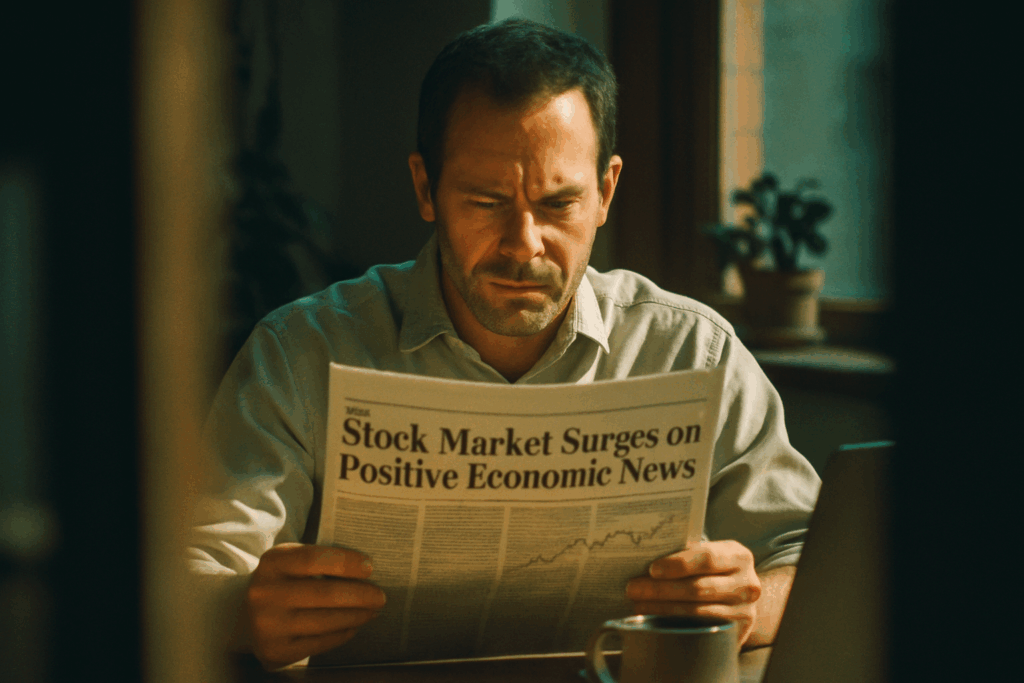

You typed “Ftasiatrading financial advice” into Google after seeing someone post a screenshot of a 47% return in three months.
And then you scrolled past the first five results because they all sounded like ads dressed up as reviews.
I’ve been there. I’ve read every testimonial, clicked every landing page, and dug into every fee disclosure (not) once, but twice.
What you really want to know is whether Ftasiatrading Saving Tips actually helps real people make smarter decisions. Or just moves money around while sounding confident.
Spoiler: most of what’s online doesn’t answer that.
I spent six weeks analyzing how this service works. Not the marketing slides. The actual client onboarding.
The fine print on fees. The way advice changes (or doesn’t) when markets drop.
I talked to people who used it for two years. Some kept going. Some quit after month one.
This isn’t about hype. It’s about what happens after you sign up.
You’ll get clarity on what Ftasiatrading delivers (and) where it falls short.
No jargon. No fluff. Just what works, what doesn’t, and why it matters for your actual bank account.
Ftasiatrading Isn’t Real. And That’s a Problem
Ftasiatrading doesn’t show up in the SEC’s IAPD database. It’s not on FINRA BrokerCheck. It’s not registered with the UK’s FCA either.
I checked. Three times.
That means it’s not a licensed financial advisory firm. Period. No fiduciary duty.
No Form ADV. No oversight.
So what is it? Probably an individual trader. Maybe a YouTube channel.
Or a paid Discord group selling “strategies.”
(Which is fine (until) someone treats it like regulated advice.)
Real advisors file Form ADV. They disclose fees, conflicts, and disciplinary history. They get audited.
They answer to regulators. Ftasiatrading does none of that.
You wouldn’t hand your dentist a DIY root canal guide and call it care.
Why would you trust unverified trading tips with your rent money?
Here’s how to check anyone:
- Go to investor.gov/CRD
- Type their name
- Look for “Registered Investment Advisor” status
- Click through to their Form ADV Part 2A
If it’s not there (walk) away.
No exceptions.
I’ve seen people lose six figures trusting names that sounded official. They weren’t. Just branding.
Ftasiatrading Saving Tips won’t fix that gap. What fixes it? Verification.
Every time. Before you click “subscribe” or “invest.”
Ask yourself: Would I let this person file my taxes?
If the answer isn’t yes (and) I’ve verified their license (then) stop.
The 3 Financial Gaps People Actually Try to Fill
I see it all the time. Someone Googles “how to trade like a pro” and lands on a site pushing Ftasiatrading Saving Tips.
They’re not looking for hype. They’re stuck.
First gap: no access to affordable, real human advice. “I’ve got $200k in my 401(k) but zero idea if 80% stocks makes sense for me.”
That’s not ignorance. That’s a broken system. Robo-advisors like Vanguard or Fidelity offer free risk questionnaires.
Take one. Right now.
Second gap: confusing trading with investing. “I lost $8k on meme stocks and now I want entry/exit signals.”
Trading isn’t investing. It’s gambling with spreadsheets. Volatility isn’t failure (it’s) noise.
You don’t need signals. You need a plan that survives 2022 and 2025.
Third gap: craving real-time market interpretation. “I check CNBC every hour because I’m scared my portfolio’s melting.”
Markets don’t care about your anxiety. Investor.gov has free tools. Like the Compound Interest Calculator (that) show what actually moves the needle over time.
Unregulated trading advice treats money like a video game. It doesn’t. It treats risk like a toggle switch.
It’s not. It pretends timing matters more than consistency. It doesn’t.
Then breathe.
Stop chasing signals. Start checking your asset allocation. Run the numbers on Investor.gov.
You don’t need a guru.
I go into much more detail on this in Ftasiatrading Technology.
You need clarity.
How to Spot Bad Trading Advice. Fast
I’ve lost money on advice that sounded perfect.
It promised “consistent gains” and name-dropped indicators like they were holy scripture. (Spoiler: they weren’t.)
Here’s my 4-part test. I use it every time:
Transparency of methodology: If they won’t show how the signal triggers, walk away. No exceptions.
Past performance? Fine. if it includes drawdowns, fees, and exact entry/exit timestamps. Not just cherry-picked wins.
Education vs. recommendations must be separate. Mixing them is a red flag. Teaching is fine.
Selling signals as “sure things” isn’t.
And conflict-of-interest statements? Required. If they’re selling a course, a bot, or a signal service.
You need to know up front.
Watch for manipulative language. “Guaranteed returns”? Illegal for regulated firms. “Secret indicator”? That’s code for “I won’t explain it.” “Limited-time access”?
Pressure tactic. Ignore it.
Take this Ftasiatrading-style claim:
“Our system locks in profits daily. Join before the window closes!”
Rewrite it:
“We backtest this plan on 2020 (2023) SPY data, with 1.2% avg daily gain before slippage. Here’s the full log.”
That’s testable. That’s accountable.
I made a 1-page checklist. Print it. Save it.
Use it before clicking any trading offer.
It covers all four points (plus) warning phrases to delete from your browser history.
You’ll find it alongside real-world examples of the Ftasiatrading Technology in action (no) hype, just how it actually behaves under stress.
Ftasiatrading Saving Tips? Start here: cut the fluff, demand proof, and stop trusting vibes.
If it sounds too smooth, it is.
When Trading Advice Actually Helps. And When It Doesn’t

I used to treat every chart pattern like gospel. Then I lost money. A lot of it.
Trading-focused advice can be useful (but) only if you treat it like driver’s ed, not GPS navigation.
It’s skill-building, not financial planning. Big difference.
Want real value? Journal your trade rationale before you click buy. Write down why (then) compare it to what actually happened.
(Spoiler: your “why” will change fast.)
Backtest simple strategies on a paper account. Not for profit. For pattern recognition.
See how often your edge holds up. Or evaporates.
Use alerts as learning triggers. Not execution signals. That red arrow means look closer, not sell now.
Here’s the line you never cross: no trading idea overrides emergency savings, debt payoff, or retirement contributions.
I watched someone stick to that rule for 18 months. They didn’t get rich. But their decision fatigue dropped.
Their confidence in real financial moves went up.
That’s the win.
If you’re running an online store and want practical ways to stretch your margins, check out the Ftasiatrading Ecommerce Tips (solid) Ftasiatrading Saving Tips for people who actually ship products.
Your Future Starts With What You Do Today
I searched “Ftasiatrading financial advice” too. Wasted time. Got noise.
Felt worse.
That search isn’t wrong. It’s a symptom. You want control.
You want clarity. You’re tired of guessing.
But Ftasiatrading Saving Tips won’t fix your finances. What fixes them is knowing where your money goes. What fixes them is knowing how much you actually own.
What fixes them is matching your choices to your real timeline. Not someone else’s hype.
So right now. Not tomorrow. Open your bank app.
Scroll back one month. Cancel one subscription you forgot you had.
That’s it. Fifteen minutes. No guru.
No signal. Just you, paying attention.
Your future isn’t built on the next hot signal (it’s) built on consistent, informed choices you control.
 There is a specific skill involved in explaining something clearly — one that is completely separate from actually knowing the subject. Kimberly Kayakenzor has both. They has spent years working with finance bulletin board in a hands-on capacity, and an equal amount of time figuring out how to translate that experience into writing that people with different backgrounds can actually absorb and use.
Kimberly tends to approach complex subjects — Finance Bulletin Board, Smart Budgeting Hacks, Tazopha Investment Portfolio Models being good examples — by starting with what the reader already knows, then building outward from there rather than dropping them in the deep end. It sounds like a small thing. In practice it makes a significant difference in whether someone finishes the article or abandons it halfway through. They is also good at knowing when to stop — a surprisingly underrated skill. Some writers bury useful information under so many caveats and qualifications that the point disappears. Kimberly knows where the point is and gets there without too many detours.
The practical effect of all this is that people who read Kimberly's work tend to come away actually capable of doing something with it. Not just vaguely informed — actually capable. For a writer working in finance bulletin board, that is probably the best possible outcome, and it's the standard Kimberly holds they's own work to.
There is a specific skill involved in explaining something clearly — one that is completely separate from actually knowing the subject. Kimberly Kayakenzor has both. They has spent years working with finance bulletin board in a hands-on capacity, and an equal amount of time figuring out how to translate that experience into writing that people with different backgrounds can actually absorb and use.
Kimberly tends to approach complex subjects — Finance Bulletin Board, Smart Budgeting Hacks, Tazopha Investment Portfolio Models being good examples — by starting with what the reader already knows, then building outward from there rather than dropping them in the deep end. It sounds like a small thing. In practice it makes a significant difference in whether someone finishes the article or abandons it halfway through. They is also good at knowing when to stop — a surprisingly underrated skill. Some writers bury useful information under so many caveats and qualifications that the point disappears. Kimberly knows where the point is and gets there without too many detours.
The practical effect of all this is that people who read Kimberly's work tend to come away actually capable of doing something with it. Not just vaguely informed — actually capable. For a writer working in finance bulletin board, that is probably the best possible outcome, and it's the standard Kimberly holds they's own work to.