
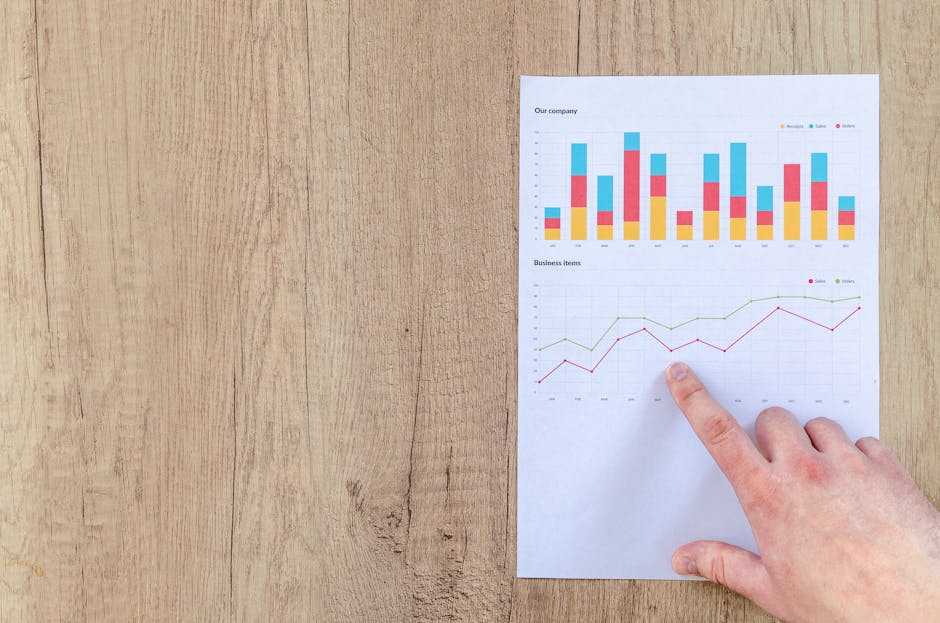
How Economic Signals Affect Everyday Finances
Economic indicators might sound like the kind of thing only investors and economists care about. But if you’ve noticed groceries getting more expensive, rent creeping up, or your boss acting cagey about raises, you’re already feeling the effects of these numbers.
Tracking key indicators isn’t about playing the stock market. It’s about understanding the forces shaping prices, wages, and interest rates things that shape your day to day life. When inflation rises, your paycheck doesn’t stretch as far. When the unemployment rate ticks up, job security wobbles. And when consumer confidence dips, lenders tighten up, making credit harder and more expensive to get.
Whether you’re thinking of buying a car, refinancing your mortgage, or just trying to figure out how much to stash in savings, macro trends matter. Indicators like CPI and GDP might be top level metrics, but their ripple effects land squarely in your personal budget. The smarter you are about watching these signals, the better timing you’ll have for big decisions and fewer surprises along the way.
The Big Three to Keep On Your Radar
Economic forecasts can feel out of reach but a few core indicators offer powerful insight into where your finances could be heading. Here are three key metrics to watch if you want to better understand the economy’s direction and how it impacts your bottom line.
GDP (Gross Domestic Product)
What it is: Measures the total value of goods and services produced over a specific period a snapshot of a nation’s economic health.
Why it matters to you:
A rising GDP often signals economic growth, which generally leads to more jobs, increased consumer spending, and stronger investment returns.
A declining GDP might suggest an economic slowdown or recession, which can lead to layoffs, tighter credit markets, and cautious consumer behavior.
Real life impact: If GDP is slowing down, it may be time to pause major purchases, increase emergency savings, or reconsider high risk investments.
CPI (Consumer Price Index)
What it is: Tracks changes in the price of a basket of everyday consumer goods and services. In other words, it measures inflation.
Why it matters to you:
A rising CPI means the cost of living is going up everything from groceries and gas to rent may become more expensive.
A stable or falling CPI could indicate controlled inflation, helping your paycheck go further.
Real life impact: When CPI climbs rapidly, budgeting becomes more difficult. You may need to shift spending priorities, negotiate for higher wages, or cut costs in areas like subscriptions or dining out.
Unemployment Rate
What it is: Measures the percentage of the labor force that is jobless but actively seeking employment.
Why it matters to you:
A high unemployment rate can signal a struggling job market hiring freezes, layoffs, and wage stagnation are common.
A low unemployment rate generally reflects a healthy labor market, with more opportunities and stronger bargaining power for job seekers.
Real life impact: The unemployment rate can help you gauge job security and decide if it’s the right moment to switch careers or ask for a raise.
For a deeper dive into these metrics and how they tie directly to your wallet, check out this article:
Understanding Economic Indicators
How to Use the Data Without the Jargon
Ignore the splashy headlines for a second. What matters most is finding the pattern beneath the drama. One bad jobs report doesn’t mean the market’s collapsing. A single inflation dip doesn’t mean prices will stay low. Instead, look for trendlines. Are things swinging up over time? Flattening? Slowly turning? That’s where the real insight lies.
Then bring it home. National trends like a rising GDP or climbing unemployment don’t hit everyone the same. A booming tech sector doesn’t help you much if you’re in hospitality. Inflation might hurt more in your zip code than the national average suggests. It’s about translating macro movements to your micro reality.
This is also how you time moves that matter. Thinking about switching careers, buying a home, or finally taking that sabbatical? Watch the forecasts. Are interest rates projected to rise? Is your industry hiring or trimming fat? A little anticipation can go a long way. Strategic timing beats blind optimism every time.
Warning Signs vs. Growth Signals
Economic indicators aren’t just for economists or Wall Street analysts they can offer real insights into where the economy might be headed and how to position your finances accordingly. Knowing how to interpret ups and downs in the market can help you avoid unnecessary risks or capitalize on smart opportunities.
Making Sense of Inverted Yield Curves and Rate Hikes
Two common signals that often indicate shifts in the economy are inverted yield curves and interest rate hikes. Here’s what they mean in everyday terms:
Inverted Yield Curve: Normally, long term debt (like a 10 year Treasury bond) offers higher returns than short term debt (like a 2 year bond). When that flips meaning short term yields are higher it can signal that investors expect a slowdown or recession.
What it means for you: Reassess high risk investments, and consider strengthening your emergency fund.
Rate Hikes: When the Federal Reserve raises interest rates, borrowing money becomes more expensive. This helps slow down inflation, but it also cools economic activity.
Impact: Higher credit card rates, costlier mortgages, and less business borrowing potentially slowing job growth.
Key Sectors to Watch in 2024
Not all parts of the economy move in the same direction at the same time. Stay aware of sector specific trends:
Tech: Sensitive to interest rate changes; layoffs or stock slumps can indicate reduced consumer and business spending.
Housing: Mortgage rates and home prices are tightly linked to rate policies and consumer confidence.
Energy: Tied to global events and supply chains. High prices can signal inflation risk, while drops may suggest slowing demand.
Volatility: Risk and Reward
Economic turbulence isn’t always bad it can also open new doors. The key is preparation.
Volatility isn’t the same as danger: If you’ve planned ahead and diversified your assets, you can weather short term shifts.
Opportunities often come from change: Lower asset prices may offer entry points for long term investments.
Crisis breeds innovation: New business models, technologies, or niches often emerge when markets get shaken up.
Understanding the broader patterns behind the data can help you spot when it’s time to play defense or take a calculated leap forward.
Stay Informed Without Getting Overwhelmed
You don’t need a finance degree or a live Bloomberg feed to track what matters. Solid sources like the Bureau of Labor Statistics, the Federal Reserve’s economic data (FRED), and reputable financial outlets like Reuters or the Wall Street Journal will give you the essentials minus the hype.
Don’t check economic indicators daily. That’ll just grind your focus into the dirt. Once or twice a month is plenty, especially if you’re lining up big life moves or keeping tabs on your field. Watching for patterns over time tells you way more than any single stat drop.
And always ask the simple question: why should I care about this number? Is rising CPI going to crush your grocery bill? Does a drop in GDP signal slowing demand where you work? Knowing the context isn’t optional. It’s how you protect your paycheck, time big expenses, and keep your plans grounded in reality.
For a deeper dive into these metrics and how they tie directly to your wallet, check out this article: Understanding Economic Indicators
 Cynthia Raglandory is the kind of writer who genuinely cannot publish something without checking it twice. Maybe three times. They came to tazopha financial foundations through years of hands-on work rather than theory, which means the things they writes about — Tazopha Financial Foundations, Personal Wealth Strategies, Finance Bulletin Board, among other areas — are things they has actually tested, questioned, and revised opinions on more than once.
That shows in the work. Cynthia's pieces tend to go a level deeper than most. Not in a way that becomes unreadable, but in a way that makes you realize you'd been missing something important. They has a habit of finding the detail that everybody else glosses over and making it the center of the story — which sounds simple, but takes a rare combination of curiosity and patience to pull off consistently. The writing never feels rushed. It feels like someone who sat with the subject long enough to actually understand it.
Outside of specific topics, what Cynthia cares about most is whether the reader walks away with something useful. Not impressed. Not entertained. Useful. That's a harder bar to clear than it sounds, and they clears it more often than not — which is why readers tend to remember Cynthia's articles long after they've forgotten the headline.
Cynthia Raglandory is the kind of writer who genuinely cannot publish something without checking it twice. Maybe three times. They came to tazopha financial foundations through years of hands-on work rather than theory, which means the things they writes about — Tazopha Financial Foundations, Personal Wealth Strategies, Finance Bulletin Board, among other areas — are things they has actually tested, questioned, and revised opinions on more than once.
That shows in the work. Cynthia's pieces tend to go a level deeper than most. Not in a way that becomes unreadable, but in a way that makes you realize you'd been missing something important. They has a habit of finding the detail that everybody else glosses over and making it the center of the story — which sounds simple, but takes a rare combination of curiosity and patience to pull off consistently. The writing never feels rushed. It feels like someone who sat with the subject long enough to actually understand it.
Outside of specific topics, what Cynthia cares about most is whether the reader walks away with something useful. Not impressed. Not entertained. Useful. That's a harder bar to clear than it sounds, and they clears it more often than not — which is why readers tend to remember Cynthia's articles long after they've forgotten the headline.