
Asia trade is huge.
And confusing as hell.
You see the numbers. Billions moving across borders every day (but) you’re stuck wondering: Who actually makes it work?
Ftasiatrading comes up a lot. But what do they really do? Not the marketing fluff.
The actual mechanics.
I’ve tracked this space for years. Talked to importers, customs brokers, and logistics teams who use them daily.
Most guides just name-drop the company and move on.
This one won’t.
We break down how Ftasiatrading operates (step) by step. What Free Trade Agreements they lean on. Where they cut friction (and where they don’t).
You’ll walk away knowing whether they fit your needs. No guesswork. Just clarity.
FTA Asia Trading: Sugar, Ships, and Singapore
I’ve walked through their Singapore office. Smell of roasted coffee and old shipping manifests. The hum of a ceiling fan fighting tropical humidity.
That’s where FTA Asia Trading lives.
They started in 2012. Not with fanfare. With a single sugar contract between a Thai mill and a Malaysian refinery.
Their mission? Move real stuff. Not data, not tokens.
Actual tons of raw sugar across borders without it spoiling, getting taxed twice, or vanishing into customs limbo.
They specialize in agricultural commodities. Sugar is their anchor. Not cocoa.
Not rice. Sugar. Brown, white, raw, refined.
If it crystallizes, they’ve probably moved it.
They connect producers and buyers directly. Cut out three layers of middlemen. Handle contracts, payments, inspections, shipping docs (all) before the container even leaves port.
Singapore works because it’s where freight lanes cross. It’s not just convenient. It’s necessary.
You need time zone overlap with Mumbai and Tokyo. You need English-speaking customs brokers who know how to read a B/L at 2 a.m.
Their philosophy? “Trade with clarity, not cleverness.” I heard that from a trader who’d just rerouted a shipment around Typhoon Doksuri. No slogans on the wall. Just a laminated sheet taped to his monitor.
You want proof? Look at their Ftasiatrading profile page. It lists ports served, not buzzwords.
They don’t hedge futures for fun. They hedge because a 3% price swing wipes out margin on a 25,000-ton cargo.
I’ve seen them hold firm on payment terms while competitors folded. Not stubborn (precise.)
It melts in humidity.
Sugar isn’t glamorous. It’s sticky. It attracts ants.
But someone has to get it from field to factory.
FTA Asia Trading does.
That’s enough.
FTAs: Not Just Paper (They) Move Goods
A Free Trade Agreement (FTA) is a deal between countries to cut or kill tariffs on imports and exports.
It’s not magic. It’s paperwork with teeth.
And it changes who wins in Asian commerce.
I’ve watched companies bleed money on duties they didn’t need to pay. Then they read the FTA rules, file the right certificate, and drop costs overnight.
I go into much more detail on this in Ftasiatrading technology news by fintechasia.
Tariffs vanish. Customs speed up. Red tape shrinks.
You get faster shipments. Lower landed costs. Real pricing power.
RCEP (the) Regional Full Economic Partnership. Covers 15 Asia-Pacific countries. It’s the biggest FTA alive.
Since it launched, Vietnam-based manufacturers shipped more electronics to Japan without paying the old 4.2% tariff. That adds up.
CPTPP? Tougher standards, but deeper access. Think Canadian beef entering Malaysia duty-free (something) that never happened before.
These deals only work if you use them.
Most firms don’t. They ship like it’s 1999.
That’s where Ftasiatrading stands out.
They don’t just know the rules. They live in them. Every shipment they handle gets audited for FTA eligibility before it leaves port.
No surprises. No back-charges from customs. No “oops, we forgot the origin form.”
I once saw a client save $217,000 in one quarter just by switching to proper RCEP documentation.
Their edge isn’t luck. It’s discipline.
You think your product qualifies? Check the product-specific rules. Not all goods do (even) if the country does.
And don’t assume your supplier filled out the certificate right. I’ve found errors in 3 out of 5 forms.
Ftasiatrading catches those.
Would you rather guess. Or know?
Sugar Moves Markets: Asia’s Sweet Spot
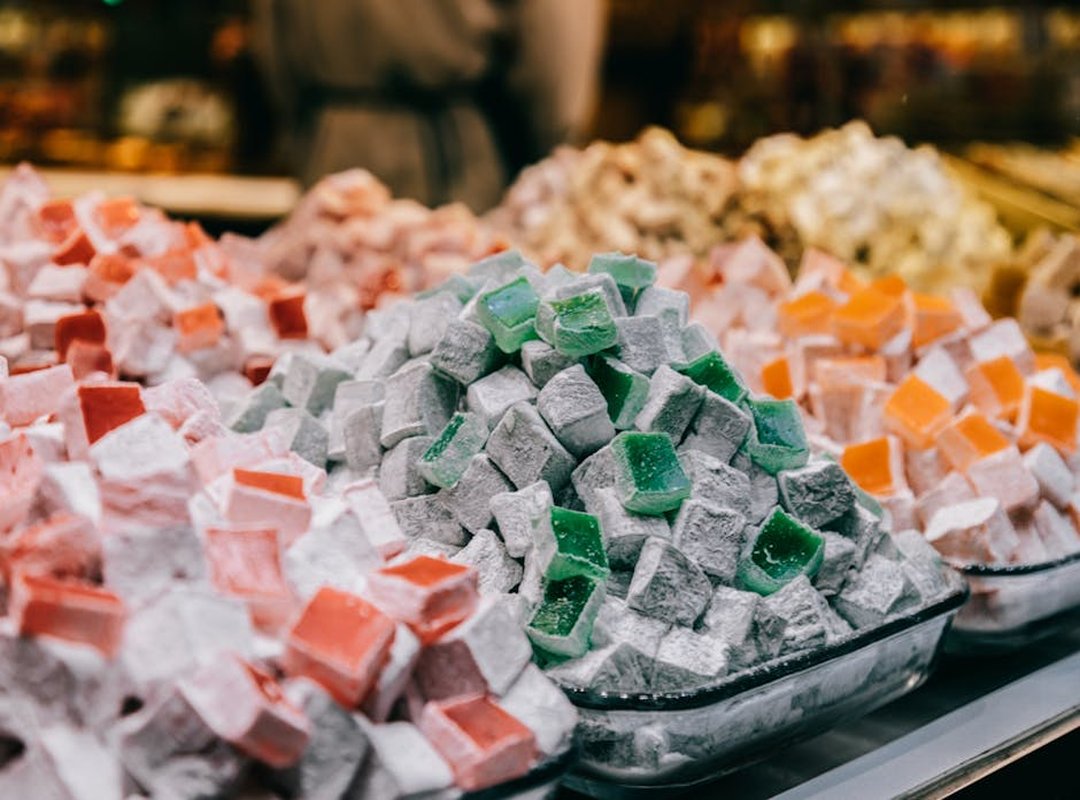
I trade sugar. Not candy bars. Not brown sugar for coffee.
Raw, bulk, industrial-grade sugar. The kind that flows through ports like a river.
It’s not glamorous. But in Asia? Sugar is infrastructure.
Thailand and India ship most of it. Indonesia and China buy most of it. That’s the spine of the route.
Everything else hangs off that.
You think shipping sugar is simple? Try clearing Indonesian customs with an outdated phytosanitary certificate. Or getting Indian export permits during monsoon season when mills delay shipments.
Or pricing contracts when Chinese demand spikes because a new beverage brand launches.
I’ve watched buyers panic when supply stalls for two weeks. They don’t care about your “logistics optimization.” They care if their factory runs tomorrow.
That’s why reliable supply isn’t a slogan. It’s the difference between profit and penalty.
We handle rice. Palm oil. Sometimes cassava chips.
But sugar dominates. 70% of volume, 80% of the headaches, 100% of the use.
Why? Because sugar margins are thin. One delay kills the margin.
One quality mismatch kills the relationship.
So we built systems to track harvest cycles, port congestion, and regulatory shifts in real time. Not for fun. Because last year, Thailand changed its export levy mid-shipment.
Three containers got stuck. We caught it 48 hours before loading.
You want market intelligence? Try reading Thai agricultural ministry bulletins at 3 a.m. while juggling WeChat groups with Jakarta buyers.
Ftasiatrading Technology News by Fintechasia covers exactly those updates (no) fluff, just what moves the needle.
Risk management here isn’t spreadsheets. It’s knowing which Indonesian importer pays early (and) which one always asks for a 60-day extension.
Logistics aren’t trucks and ships. They’re relationships with stevedores who’ll unload your cargo at midnight if you call them right.
Why Specialized Traders Are the Glue
I used to think global trade was just ships, contracts, and tariffs. (Turns out I was wrong.)
Specialized trading houses aren’t extras in the background. They’re the ones who make it work when wheat rots in a Ukrainian port or lithium prices jump 40% overnight.
They absorb price volatility so farmers don’t go broke between harvest and sale. They move cargo across seven borders and three languages without losing a single container. They vet buyers and sellers so nobody gets paid in counterfeit euros or ghost invoices.
Think of them as the circulatory system for commodities. Not flashy like the heart, but if they stop, the whole body shuts down.
You want coffee in Seattle? Someone at a specialized trader negotiated the Ethiopian harvest, booked the refrigerated container, handled the Swiss bank guarantee, and made sure it cleared customs before the roast date.
Producers get paid. Buyers get supply. Everyone else gets to sleep.
That’s why skipping past these players means you’ll never understand how trade actually moves.
Ftasiatrading is one of those quiet operators. No press releases, just decades of getting physical goods from point A to point B while everyone else argues about theory.
Does your supply chain have a backup plan if your trader vanishes tomorrow? Yeah. Neither did theirs.
You Know What to Do Next
Asian trade isn’t guesswork. It’s relationships. It’s timing.
It’s knowing which FTA actually matters for your shipment.
I’ve seen too many companies waste months (and) money. Trying to go it alone. You don’t need another generic report.
You need a partner who lives in that system daily.
That’s where Ftasiatrading fits. Not as a vendor. As the specialist who spots the clause you missed, the tariff shift you didn’t see coming, the paperwork trap waiting at customs.
You now know how FTAs move real goods. You know what a true trading specialist does.
So ask yourself: Is your current supply chain built on assumptions (or) on verified access?
Go check your next three shipments. Look up the FTA rules for those countries. Right now.
Then call someone who’s already done it.
 There is a specific skill involved in explaining something clearly — one that is completely separate from actually knowing the subject. Kimberly Kayakenzor has both. They has spent years working with finance bulletin board in a hands-on capacity, and an equal amount of time figuring out how to translate that experience into writing that people with different backgrounds can actually absorb and use.
Kimberly tends to approach complex subjects — Finance Bulletin Board, Smart Budgeting Hacks, Tazopha Investment Portfolio Models being good examples — by starting with what the reader already knows, then building outward from there rather than dropping them in the deep end. It sounds like a small thing. In practice it makes a significant difference in whether someone finishes the article or abandons it halfway through. They is also good at knowing when to stop — a surprisingly underrated skill. Some writers bury useful information under so many caveats and qualifications that the point disappears. Kimberly knows where the point is and gets there without too many detours.
The practical effect of all this is that people who read Kimberly's work tend to come away actually capable of doing something with it. Not just vaguely informed — actually capable. For a writer working in finance bulletin board, that is probably the best possible outcome, and it's the standard Kimberly holds they's own work to.
There is a specific skill involved in explaining something clearly — one that is completely separate from actually knowing the subject. Kimberly Kayakenzor has both. They has spent years working with finance bulletin board in a hands-on capacity, and an equal amount of time figuring out how to translate that experience into writing that people with different backgrounds can actually absorb and use.
Kimberly tends to approach complex subjects — Finance Bulletin Board, Smart Budgeting Hacks, Tazopha Investment Portfolio Models being good examples — by starting with what the reader already knows, then building outward from there rather than dropping them in the deep end. It sounds like a small thing. In practice it makes a significant difference in whether someone finishes the article or abandons it halfway through. They is also good at knowing when to stop — a surprisingly underrated skill. Some writers bury useful information under so many caveats and qualifications that the point disappears. Kimberly knows where the point is and gets there without too many detours.
The practical effect of all this is that people who read Kimberly's work tend to come away actually capable of doing something with it. Not just vaguely informed — actually capable. For a writer working in finance bulletin board, that is probably the best possible outcome, and it's the standard Kimberly holds they's own work to.