
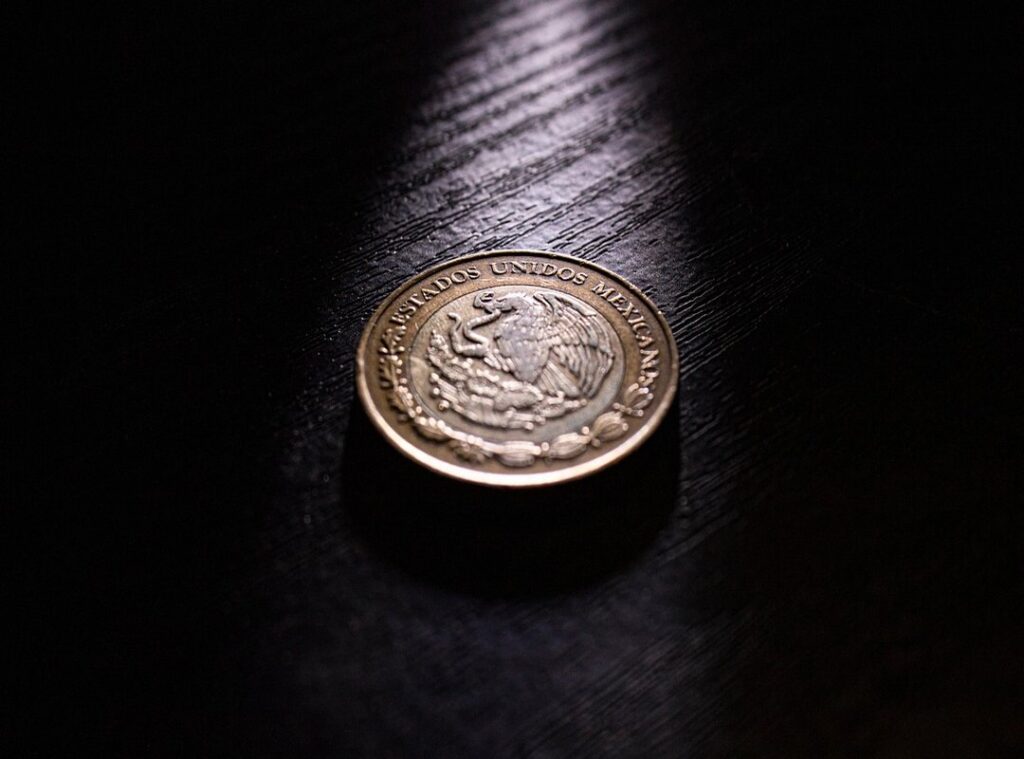
Converting 140 pesos mexicanos a pesos chilenos can seem tricky. But it doesn’t have to be. I know currency conversion can be confusing, especially with less common currencies.
That’s why I’m here to help. I’ll walk you through the process step by step. You’ll get clear instructions and explanations.
So, let’s dive in.
Understanding Currency Conversion Basics
What is Currency Conversion: A brief explanation of why and how currencies are converted.
Currency conversion is when you change one type of money into another. It’s like trading your dollars for euros before a trip to Europe. Simple, right?
Exchange Rates: Definition and importance of exchange rates in currency conversion.
Exchange rates tell you how much one currency is worth in terms of another. For example, if the exchange rate is 1 USD to 0.85 EUR, that means one US dollar can be exchanged for 0.85 euros. These rates are crucial because they determine how much money you get when you convert.
Factors Affecting Exchange Rates: Overview of economic, political, and market factors that influence exchange rates.
Several things can affect exchange rates. Economic factors like inflation and interest rates play a big role. Political stability or instability can also impact them.
Market sentiment, which is how people feel about a country’s economy, matters too.
Let’s say you want to convert 140 pesos mexicanos a pesos chilenos. The exchange rate will tell you exactly how many Chilean pesos you’ll get. It’s all about understanding these rates and factors to make the best financial decisions.
How to Convert 140 Mexican Pesos to Chilean Pesos
Converting 140 pesos mexicanos a pesos chilenos might seem a bit tricky, but it’s straightforward once you know the steps.
First, find the current exchange rate between MXN and CLP. You can do this by checking financial news sites or using a reliable currency converter online.
Next, perform the calculation. Multiply the amount in Mexican Pesos (MXN) by the current exchange rate to get the equivalent in Chilean Pesos (CLP).
Let’s say the current exchange rate is 1 MXN = 5.2 CLP. Here’s how you’d do it:
- 140 MXN * 5.2 CLP/MXN = 728 CLP
So, 140 Mexican Pesos is approximately 728 Chilean Pesos.
Always double-check the exchange rate before making any conversions. Rates can change quickly, and using an outdated rate could lead to miscalculations.
Pro tip: Keep an eye on economic news from both countries. Major events can affect exchange rates, and staying informed can help you make better decisions.
Tools and Resources for Currency Conversion
When it comes to converting currencies, you need tools that are both accurate and easy to use. Let’s break down the options.
Online Conversion Tools
Online conversion tools are great for real-time currency conversion. They update frequently and can give you the most current rates. Just type in the amount and select the currencies.
Simple as that.
Mobile Apps
For on-the-go conversions, mobile apps are a must. They offer quick and accurate conversions right from your phone. Some even work offline, which is handy if you’re traveling without reliable internet.
Financial News Websites
Staying updated on exchange rate trends and news is crucial. Financial news websites provide this information. They often have charts and analysis that can help you make better decisions. 140 pesos mexicanos
Pro Tip: Always double-check the rates with a couple of different sources. It’s like getting a second opinion, but for money.
140 pesos mexicanos a pesos chilenos might sound complex, but with the right tools, it’s just a few clicks away.
Common Mistakes to Avoid in Currency Conversion

Using old or incorrect exchange rates can really mess up your finances. Always check the most up-to-date rates before making a conversion.
Ignoring Fees and Commissions: This is a big one. Always factor in additional costs when converting currencies. They can add up quickly and eat into your funds.
Rounding errors might seem small, but they can be significant. Precision in calculations is key. A tiny mistake can lead to bigger issues down the line.
140 pesos mexicanos a pesos chilenos might not sound like much, but even small amounts need careful attention.
Pro tip: Use a reliable currency converter tool to double-check your math. It can save you a lot of headaches.
Frequently Asked Questions (FAQs)
Q1: How often do exchange rates change?
Exchange rates can change multiple times a day. They’re influenced by a lot of factors like economic news, political events, and market sentiment.
It’s a bit like the weather—unpredictable but with some patterns.
Q2: Can I convert currencies without using an online tool?
Absolutely. You can go to a bank, use an ATM, or visit a currency exchange booth.
These methods might have different fees and rates, so it’s worth comparing them. Sometimes, the old-school ways can be surprisingly convenient.
Q3: What are the best times to convert currencies for better rates?
Timing is everything. Generally, you might get better rates during off-peak hours when there’s less trading activity.
Also, avoid converting right before or after major economic announcements. Those can cause a lot of volatility.
Pro tip: Keep an eye on global news and economic calendars. They can give you a heads-up on when to expect big moves in the market.
For example, if you’re looking to convert 140 pesos mexicanos a pesos chilenos, doing it at a time when both economies are stable and not reacting to major news can help you get a more favorable rate.
Mastering Currency Conversion
Converting 140 pesos mexicanos a pesos chilenos involves understanding the current exchange rate between the two currencies. First, find the latest exchange rate from a reliable source.
Then, multiply the amount in Mexican pesos by this rate to get the equivalent in Chilean pesos.
It’s crucial to use trustworthy tools and platforms for these conversions.
Stay informed about any fluctuations in exchange rates as they can change daily.
Regular practice and staying updated with financial news will help you become more confident in handling currency conversions.
 Cynthia Raglandory is the kind of writer who genuinely cannot publish something without checking it twice. Maybe three times. They came to tazopha financial foundations through years of hands-on work rather than theory, which means the things they writes about — Tazopha Financial Foundations, Personal Wealth Strategies, Finance Bulletin Board, among other areas — are things they has actually tested, questioned, and revised opinions on more than once.
That shows in the work. Cynthia's pieces tend to go a level deeper than most. Not in a way that becomes unreadable, but in a way that makes you realize you'd been missing something important. They has a habit of finding the detail that everybody else glosses over and making it the center of the story — which sounds simple, but takes a rare combination of curiosity and patience to pull off consistently. The writing never feels rushed. It feels like someone who sat with the subject long enough to actually understand it.
Outside of specific topics, what Cynthia cares about most is whether the reader walks away with something useful. Not impressed. Not entertained. Useful. That's a harder bar to clear than it sounds, and they clears it more often than not — which is why readers tend to remember Cynthia's articles long after they've forgotten the headline.
Cynthia Raglandory is the kind of writer who genuinely cannot publish something without checking it twice. Maybe three times. They came to tazopha financial foundations through years of hands-on work rather than theory, which means the things they writes about — Tazopha Financial Foundations, Personal Wealth Strategies, Finance Bulletin Board, among other areas — are things they has actually tested, questioned, and revised opinions on more than once.
That shows in the work. Cynthia's pieces tend to go a level deeper than most. Not in a way that becomes unreadable, but in a way that makes you realize you'd been missing something important. They has a habit of finding the detail that everybody else glosses over and making it the center of the story — which sounds simple, but takes a rare combination of curiosity and patience to pull off consistently. The writing never feels rushed. It feels like someone who sat with the subject long enough to actually understand it.
Outside of specific topics, what Cynthia cares about most is whether the reader walks away with something useful. Not impressed. Not entertained. Useful. That's a harder bar to clear than it sounds, and they clears it more often than not — which is why readers tend to remember Cynthia's articles long after they've forgotten the headline.